
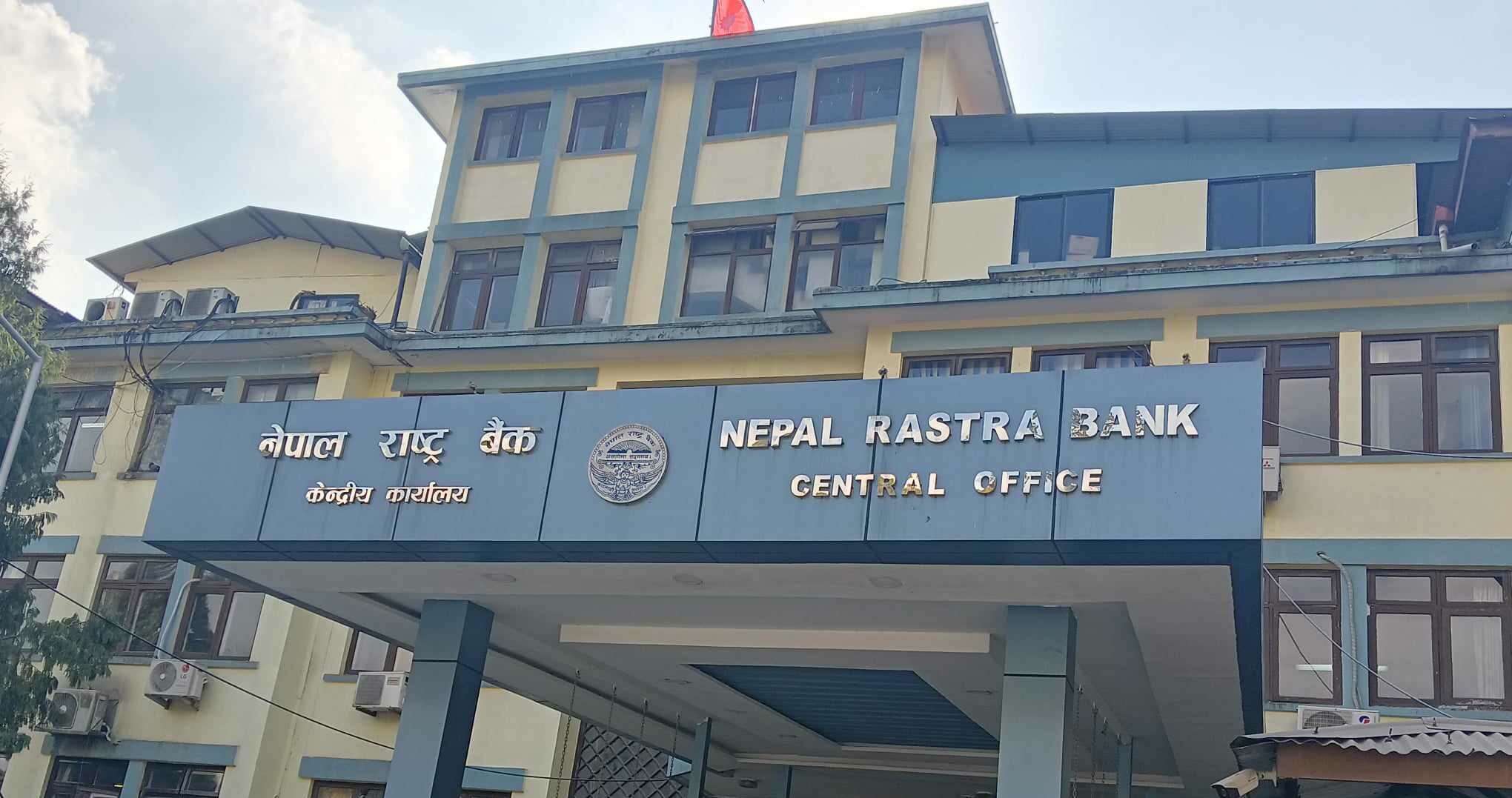

KATHMANDU: Nepal’s overall economic and financial situation has shown stable and positive trends, according to the latest data released by Nepal Rastra Bank (NRB). Key indicators such as inflation, foreign exchange reserves, remittance inflows, and financial sector growth have all remained in a favorable position.
The Consumer Price Index (CPI)-based inflation stood at 5.04 percent in mid-May 2026, while the average inflation for the first ten months of fiscal year 2025/26 remained contained at 2.66 percent, indicating price stability in the economy.
Gross foreign exchange reserves reached approximately USD 37.05 billion, which is sufficient to cover imports of goods and services for about 19.2 months, reflecting strong external sector stability.
The current account and balance of payments also remained in surplus at Rs. 729.28 billion and Rs. 863.56 billion respectively, further strengthening the country’s external position.
Remittance inflows recorded significant growth, increasing by 41.2 percent in Nepali currency terms and 33 percent in US dollar terms during the review period. In mid-April to mid-May alone, remittance inflows totaled Rs. 257.49 billion.
On the trade side, exports increased by 14.2 percent, while imports rose by 14.8 percent, indicating expanding trade activity.
Government expenditure reached Rs. 1,173.52 billion, while revenue mobilization stood at Rs. 988.55 billion, reflecting steady fiscal operations.
In the monetary sector, broad money (M2) expanded by 9.2 percent, while deposits at Banks and Financial Institutions (BFIs) increased by 9.4 percent. Credit to the private sector also grew by 5.7 percent, showing continued financial sector expansion.
The weighted average interbank rate among BFIs remained at 2.75 percent, while 91-day Treasury bills stood at 2.63 percent. Similarly, the weighted average deposit and lending rates of commercial banks were recorded at 3.35 percent and 6.73 percent respectively.
Overall, the indicators suggest that Nepal’s economy remains stable, with strong external buffers and steady financial sector growth.
Comment